The Joy of Nothing Happening: How Slow TV Became Streaming's Comfort Food
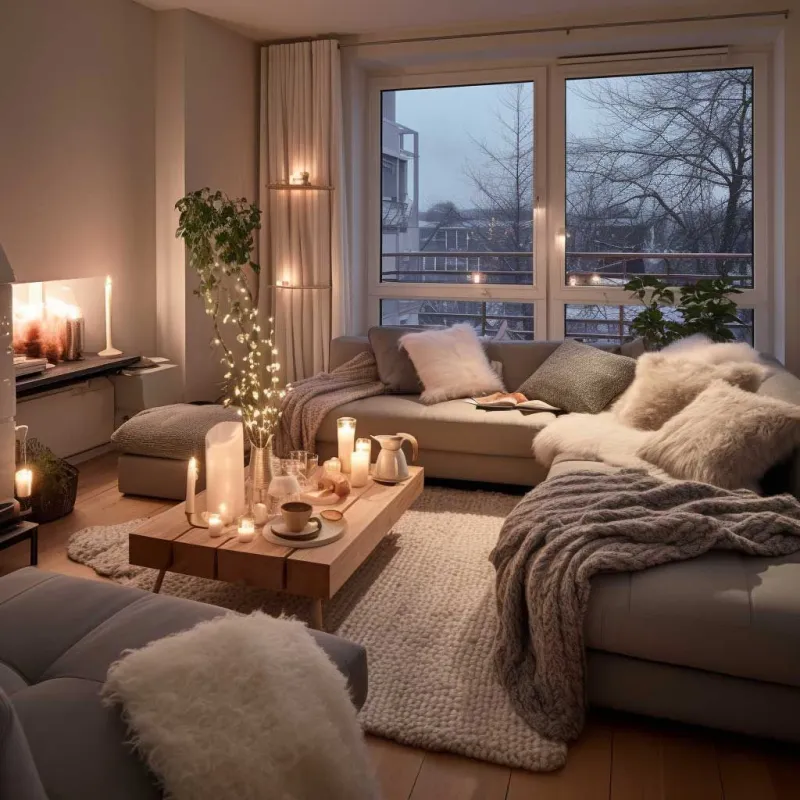
Photo: cozy fireplace television screen ambient slow tv, via i.pinimg.com
There is a fireplace on your home screen. It has been burning for three hours. Nothing happens. No one enters. No one leaves. The plot is that the logs keep burning. You are not bored. You are folding laundry, answering email, or falling asleep. Welcome to slow TV, the least ambitious genre on television and somehow one of the most comforting.
Slow TV is not new. Norwegian public television made a train ride last for hours and turned it into a national event. But the American version is different. It lives on free ad-supported platforms, on ambient channels, on the row of your smart TV that you scroll past until you need something calm. Fireplaces. Harbors. Train windows. Nature loops. Aquariums. Snow falling on a cabin. It is not prestige. It is atmosphere.
Background TV grows up
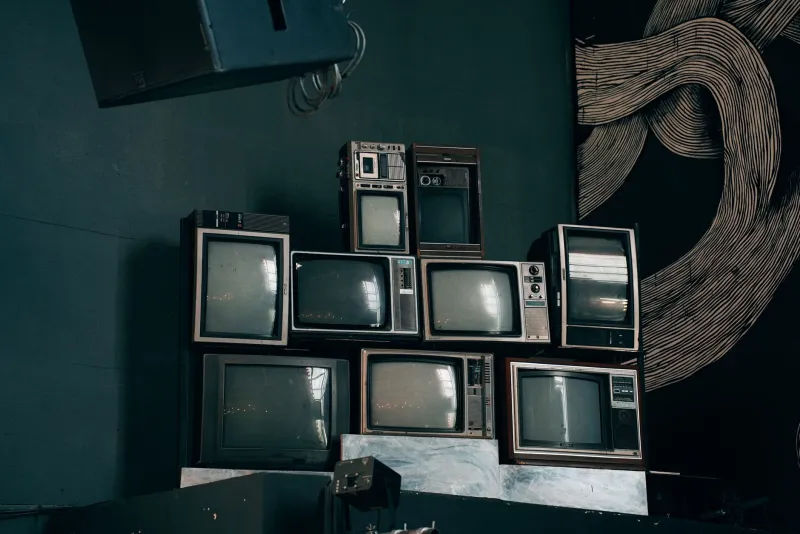
For years, background TV was an accident. You left the news on while you cooked. You fell asleep to a sitcom. Now background TV is a product. FAST platforms need constant programming, and slow TV fills hours without demanding a writers room or a star. A crackling fireplace can run all night. A harbor camera can run all day. A train window can run for eight hours and never ask you to remember a character's name.
That is the point. Peak TV made watching feel like a second job. There are too many shows, too many seasons, too many discourse cycles. Slow TV is the opposite of homework. It asks nothing. It does not care if you look up. It is companionship without conversation.
Why your brain likes a train window
The appeal is not mysterious. A moving landscape gives your eyes something to rest on without asking for attention. A fireplace gives a room a center. A harbor gives you weather without stakes. For people who work from home, slow TV is office decoration. For people who live alone, it is a little less quiet. For people who cannot sleep, it is a night light with a soundtrack.
There is also a strange relief in watching something that cannot be spoiled. No cliffhanger. No finale. No think pieces about whether the show stuck the landing. The train arrives. The fire burns. The harbor gets dark. That is the whole arc.
The economics of a crackling fire
Ad-supported platforms love slow TV because it is cheap and it runs long. A single ambient video can be licensed, looped, and slotted into a channel. A fireplace channel can sell ads against calm. A nature loop can play in a doctor's office, a hotel lobby, or a living room. The audience may not be watching closely, but the TV is on. In the streaming business, that still counts.
It also gives FAST platforms a way to fill schedules without pretending every hour is a premiere. Not everything needs to be a tentpole. Sometimes the grid needs a harbor.
Is it TV or just decoration?
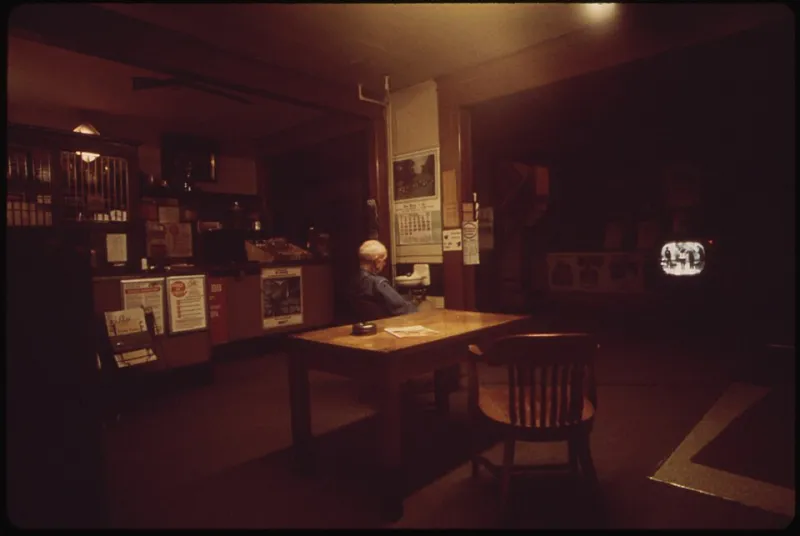
Both. That is what makes it interesting. Slow TV changes what counts as watching. It blurs the line between television and wallpaper. Nielsen may not capture it. Critics may not review it. But TV has always been background for some people. The difference is that now the background is designed to be background.
The risk is sameness. If every free service is a fireplace, the fireplace stops being special. If every ambient channel is a train window, the train window becomes filler. Slow TV works best as counterprogramming, not as the whole menu. It is the palate cleanser between the eight-hour drama and the eight-hour drama.
The antidote to peak TV overload
Slow TV is not replacing story. It is giving viewers a place to breathe. The best home screen has both. You want the show that makes you cancel plans. You also want the fire that makes you feel like you can keep them. In 2026, that balance is the whole game.
The joy of nothing happening is the joy of not being asked to keep up. That is not lazy. That is a feature.