Grab a Snack, Pull Up a Chair: America Is Watching TV Together Again
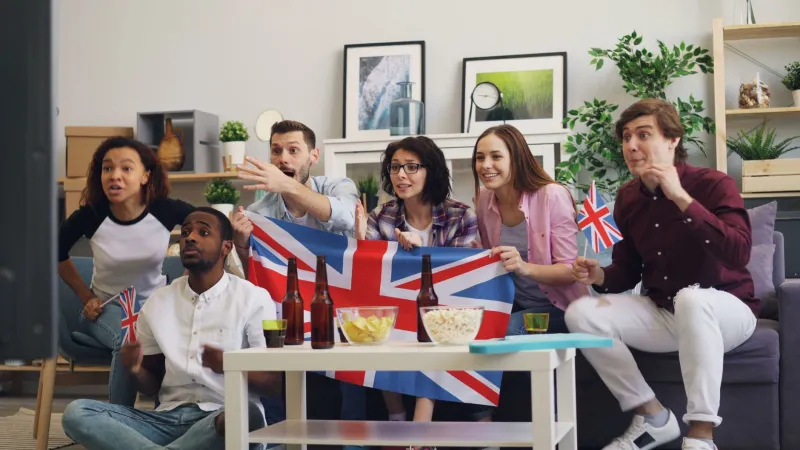
There's a specific kind of joy that comes from watching something unfold on screen with a room full of people who care about it as much as you do. The collective gasp when a plot twist hits. The eruption of commentary during a commercial break. The post-episode debrief that somehow stretches into a two-hour conversation about life, relationships, and whether that character actually deserved what happened to them.
For a while there, streaming seemed to be quietly killing that experience. Not maliciously — just structurally. When you can watch anything, anytime, on any device, the shared moment gets harder to coordinate. Everyone's on their own schedule, their own episode, their own algorithmic journey. The water cooler conversation doesn't work if half the office is three seasons ahead and the other half hasn't started yet.
But here's the thing: people missed it. And now they're doing something about it.
The Return of the Shared Screen
Communal viewing never fully went away, of course. Sports kept it alive — there's no algorithm that replicates the experience of watching your team in a playoff game surrounded by people who are equally invested. But what's happening now goes beyond the stadium bar experience.
Gen Z and millennials — the generations most associated with solo streaming and parasocial media consumption — are actively organizing around shared viewing experiences. Watch parties for reality TV finales. Group streams for prestige drama season premieres. Apartment gatherings timed around live award shows, complete with commentary tracks louder than the broadcast itself.
This isn't nostalgia for something they necessarily experienced firsthand. For younger millennials and most of Gen Z, the era of must-watch appointment television — gathering around the set on Thursday nights because there was no other option — is more mythology than memory. What they're building now is something new: intentional communal viewing, chosen rather than defaulted into.
"It's kind of a reaction to how isolated everything got," said one 24-year-old in Atlanta who hosts a weekly watch party for her friend group, currently working through a prestige drama they'd all been meaning to watch. "We could all watch it separately and text about it, but it's not the same. Being in the same room changes everything."
Platforms Are Paying Attention
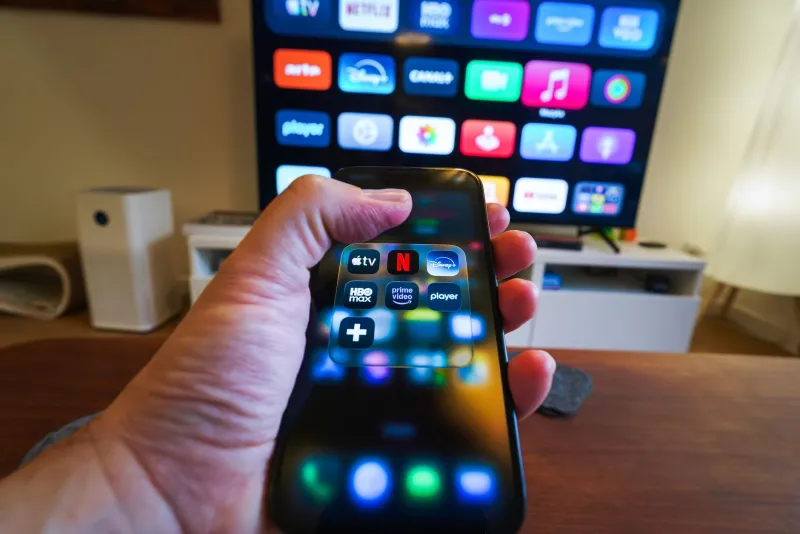
The streaming services, to their credit, have noticed. Watch party features — synchronized playback with shared chat or video — have become standard offerings across major platforms. Netflix Party (now Teleparty) became genuinely popular during the pandemic years and never fully receded. Disney+, Hulu, and Amazon Prime Video all offer some version of group viewing functionality.
These tools were initially framed as a workaround for physical distance — a way to watch with people you couldn't be in the room with. But they've evolved into something slightly different: a way to make the act of watching feel like an event, even when you could just as easily watch alone.
Live events have become the most powerful engine for this shift. Reality TV finales, in particular, have become appointment viewing in a way that feels almost pre-streaming in its energy. The Survivor finale, the Bachelor rose ceremony, the RuPaul's Drag Race crowning — these moments draw people together physically and digitally in ways that scripted drama rarely manages anymore. There's something about the live, unscripted stakes that makes communal viewing feel essential rather than optional.
The Social Architecture of Watching
What's interesting about the communal viewing revival is how deliberately it's being constructed. People aren't just accidentally ending up on the same couch — they're scheduling it, theming it, sometimes building entire social rituals around it.
TV-themed dinner parties are a real thing. Viewing leagues — groups that rotate through a shared watch list and discuss episodes like a book club — are popping up in cities across the country. Some bars and restaurants have leaned into this, hosting viewing events for major finales or live broadcasts that draw crowds who want the communal energy without having to host.
There's a sociological reading of this that's worth sitting with: the return of communal viewing is partly a response to the atomization of digital life. When your media diet is entirely personalized — curated by an algorithm that knows your taste better than most of your friends do — there's something that gets lost. The serendipity of watching something you wouldn't have chosen. The negotiation of what to watch. The shared reference point.
Television, at its best, has always been a cultural commons — a set of shared experiences that give people something to talk about, argue about, and bond over. The streaming era fractured that commons into a million personalized feeds. The communal viewing revival is, in some ways, an attempt to reassemble it.
What This Means for How We Talk About TV
The comeback of shared viewing is also changing the texture of the cultural conversation around television. Shows that generate communal viewing moments — that are best experienced in a room full of people reacting in real time — are being discussed differently than shows that are consumed solo.
Live reaction culture on social media has always existed, but it's becoming more explicitly tied to physical gathering. People are live-tweeting from their watch parties. TikTok reaction videos are being made in groups. The distinction between the screen experience and the social experience is blurring in interesting ways.
For streaming platforms, this represents both an opportunity and a challenge. Content that drives communal viewing has a different value proposition than content that's merely good — it becomes a social object, something people organize around. That's enormously valuable for subscriber retention and cultural relevance. But it's not something you can engineer purely through algorithmic optimization. It requires the kind of cultural timing and emotional resonance that's harder to manufacture.
Maybe that's exactly why it feels so good when it happens. In a media landscape built on infinite personal choice, the experience of watching something with other people — laughing together, arguing about it, feeling it together — remains stubbornly, beautifully irreplaceable.
The couch fits more than one person. Turns out, we hadn't forgotten that.