The Art of the Pause: Why Streaming Shows Are Writing for the Ad Break Again
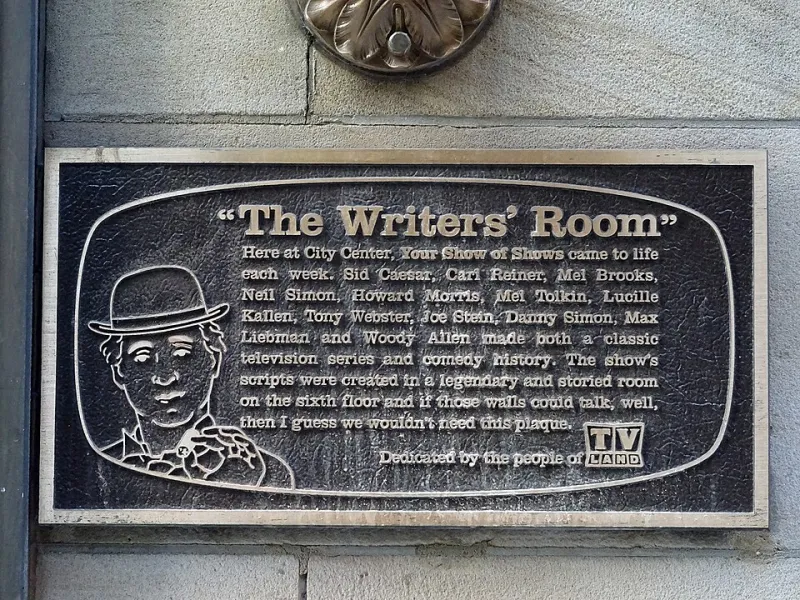
Photo: Spudgun67, CC BY-SA 4.0, via Wikimedia Commons
Ad breaks used to be where shows went to die. They interrupted the flow, killed the mood, and reminded you that you were watching television, not cinema. Then streaming arrived, and the pitch was simple: no commercials, no interruptions, no compromises. For a while, that was true. In 2026, it is not.
Ad-supported tiers are now the default for a lot of households. The cheaper plan wins, and the cheaper plan comes with breaks. But something unexpected has happened on the creative side. Writers are not just tolerating the pause. They are designing for it.
The Act-Out Comes Back
If you grew up on broadcast TV, you know the act-out. It is the little cliffhanger before the commercial: a door opens, a phone rings, someone says the one thing that cannot be unsaid. Then — cut to a car commercial. When the show comes back, the tension has been stretched, and you are still there.
Streaming writers are rediscovering that tool. A mid-roll break can do more than sell toothpaste. It can give a scene room to breathe, create a beat of suspense, or reset the emotional temperature. A comedy can land a joke and let it sit. A drama can cut to black on a reveal instead of rushing into the next scene.
The best versions of this do not feel like a compromise. They feel like rhythm.
The Product Is in the Room
Product integration is nothing new. But ad-tier streaming has made it more explicit. A character drives a certain car. A family eats a certain cereal. A phone rings with a certain logo facing the camera. The difference is that the ad break and the story are now in conversation.
That can be clever. A car commercial right after a chase scene feels less random if the show has already put the car in the frame. A kitchen scene can become a natural pause for a food ad. But it can also get cute. When a plot stops so a character can admire a brand, viewers notice. The spell breaks.
The writers who get this right treat integration as texture, not plot. The brand is in the room. It is not the reason the room exists.
The Math in the Writers Room
Ad-supported streaming means writers have to think about runtime again. A 52-minute episode with breaks is not the same as a 52-minute episode without them. Where does the break land? Does it interrupt a monologue? Does it undercut a joke? Does it give away a twist too early?
Some productions cut two versions: one for ad-free, one for ad-supported. Others build the episode around a fixed number of act-outs. Neither approach is wrong. Both require a kind of planning that streaming’s early years did not demand.
The upside is discipline. A forced pause can expose a flabby scene. If a break lands badly, the scene probably needed work anyway.
The Viewer’s Bargain
Viewers have a complicated relationship with ads. They hate interruptions. They also like paying less. The ad tier is a bargain, and most people understand that. What they do not like is feeling tricked.
A well-placed break can feel like part of the show. A badly placed break feels like a shakedown. The difference is usually craft. If the pause respects the story, viewers will forgive it. If it exists only to hit a frequency target, they will reach for the remote.
The New Rhythm
Not every show should be written for ads. Prestige dramas and auteur comedies may still thrive in the ad-free lane. But the ad tier is no longer a lesser version of television. It is a format with its own rules, its own rhythms, and its own creative opportunities.
In 2026, the commercial break is not a relic. It is a tool. The shows that use it well will feel less like they are surviving the pause and more like they are built around it.