Too Many Tabs Open: The Real Cost of America's Streaming Obsession
You Cut the Cord. Now What?
Remember the victory lap? You called your cable company, sat through forty minutes of hold music, and finally said the words: "I'm canceling." It felt like financial freedom. It felt like the future. That was, what, five years ago? Maybe seven? And now you're staring at your bank statement wondering why your "cheap" streaming setup is somehow costing you $180 a month.
Welcome to subscription fatigue — the quiet financial hangover of the cord-cutting revolution.
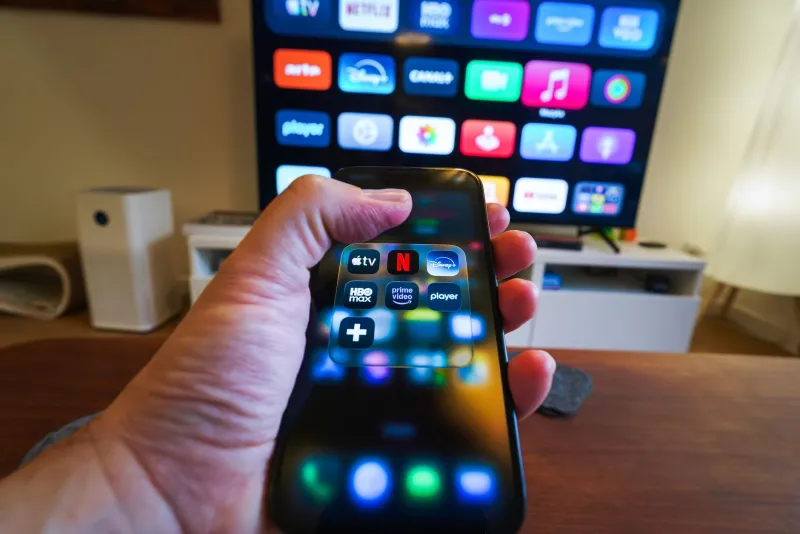
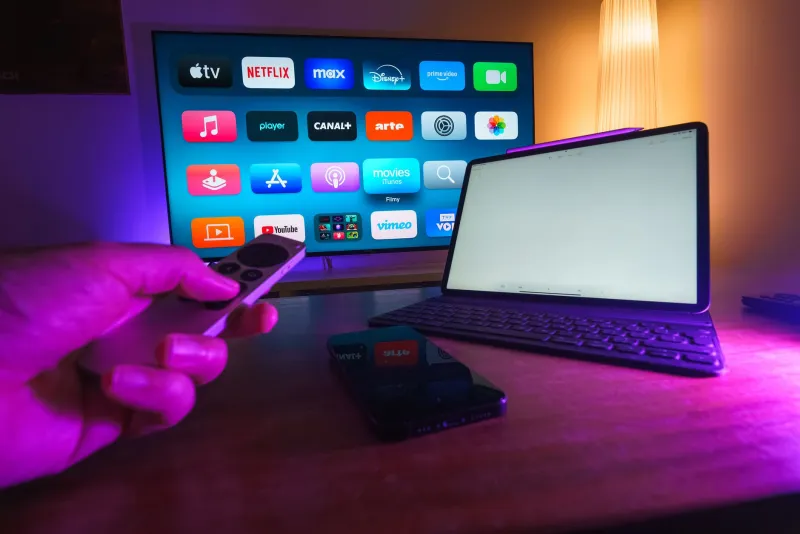
According to a 2024 report from Antenna, the average American household actively pays for 4.2 streaming services at any given time. That number climbs even higher when you factor in services shared between family members or quietly forgotten free trials that converted to paid plans. Netflix, Max, Hulu, Disney+, Peacock, Paramount+, Apple TV+, Amazon Prime Video — and that's before we even get into niche platforms like Shudder, Criterion Channel, or the increasingly crowded sports streaming lane.
The math adds up fast. And for a lot of households, it's adding up to more than they ever paid for cable.
The Bundle Is Back (It Never Really Left)
Here's the irony that streaming executives don't love talking about out loud: the thing consumers ran away from — the bundle — is exactly what the industry is quietly rebuilding from scratch.
"We basically dismantled cable, sold people the individual pieces, and now we're reassembling it and calling it something new," says one media analyst who asked to remain anonymous because, well, they still work in the industry. "The difference is that now consumers feel like they have choice, even when the end result looks pretty similar."
Disney's bundle — combining Disney+, Hulu, and ESPN+ — is the most obvious example. Warner Bros. Discovery has been aggressive about packaging Max with other services. And Amazon has turned Prime Video into its own mini-universe of add-on channels that you can subscribe to without ever leaving the app. Sound familiar? It should. It's basically cable's channel tier system with a friendlier interface.
The streaming wars have quietly entered a consolidation phase, and the consumer is caught in the middle trying to figure out which bundle actually saves them money versus which one just makes the billing feel less painful.
So, Is Anyone Actually Saving Money?
The honest answer: some people are, some people aren't, and most people have no idea which category they're in.
A 2023 study by J.D. Power found that 36% of streaming subscribers couldn't accurately recall how many services they were currently paying for. That's not a knock on intelligence — it's a reflection of how deliberately these platforms are designed to fade into the background of your financial life. Auto-renewal is the default. Cancellation is a process. And the services know that the path of least resistance is to just... keep paying.
For households that genuinely cut the cord and stuck to two or three streaming services, the savings are real. Two services at ad-supported tiers might run you $25–$30 a month, a fraction of the average cable bill that, according to Leichtman Research Group, now sits north of $100 for most Americans. But add in a live TV streaming service like YouTube TV or FuboTV — because you still want local news and football — and you're back in triple digits before you've added a single premium add-on.
Getting Your Streaming Life Together
If your subscriptions feel like a pile of unopened mail, here's how to actually get a handle on it.
Do an audit. Seriously, open your bank or credit card app right now and search for every streaming charge from the last three months. List them out. Include the amounts. A lot of people are genuinely surprised by what they find.
Rank by use, not by attachment. You might love the idea of having the Criterion Channel, but if you've opened it twice in six months, it's a candidate for the chopping block. Be honest.
Rotate, don't stack. Services like Peacock and Paramount+ release content in waves. You don't have to subscribe continuously. Binge what you want, cancel, come back in three months. Most platforms make it easy to resume where you left off.
Look at the bundles with fresh eyes. If you're paying for Disney+, Hulu, and ESPN+ separately, you're almost certainly paying more than the bundle price. Same logic applies to any platform with a family or duo plan if you're sharing an account with someone in your household.
Set a monthly cap. Decide what you're willing to spend — $50, $60, whatever works for your budget — and treat it like a hard limit. If you want to add something new, something else has to go.
The Future: Fewer Services, Smarter Pricing
Industry insiders are largely in agreement that the streaming market is heading toward further consolidation. There are simply too many platforms chasing too few subscriber dollars, and the ones that can't hit profitability will either merge, get acquired, or quietly shut down.
That's not necessarily bad news for viewers. Fewer, stronger platforms with deeper content libraries could actually be a better deal than the current fragmented landscape. The catch is that during the transition, consumers may find their favorite shows scattered across services that are merging, rebranding, or disappearing entirely.
The cord-cutting dream isn't dead — but it requires a little more active management than the industry originally advertised. Freedom is great. Just make sure you're actually using it.