The Voice Swap: How AI Dubbing Is Changing What ‘Foreign’ TV Sounds Like
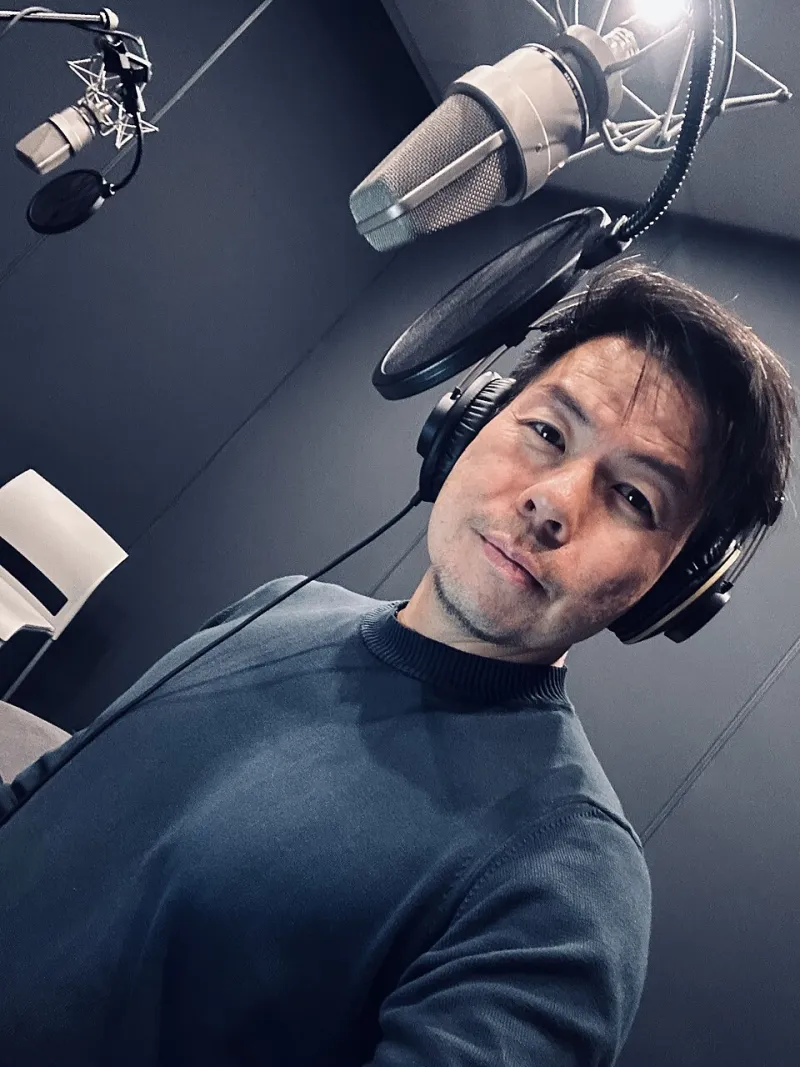
Photo: Voice Vt007, CC0, via Wikimedia Commons
Foreign-language TV used to announce itself. You saw the subtitles, heard the original voices, and knew you were visiting somewhere else. In 2026, that passport stamp is fading. A Korean crime drama can land on a US streaming service with English voices that sound like they were recorded in Burbank, because they were — or because a synthetic model trained on licensed voice data got close enough that most viewers cannot tell the difference.
That is the quiet revolution inside the foreign-language boom. The shows are still global. The sound is increasingly local. And the business case is simple: if a series can be dubbed in days instead of months, it can be scheduled, promoted, and binged like any other American title.
The Speed Race Is Real
Traditional dubbing is a chain of human work. Translators adapt scripts. Voice actors perform. Directors coach tone. Sound engineers mix. The process can take weeks or months, and it costs real money. Synthetic dubbing collapses much of that chain. Vendors can clone a voice, generate a performance, and match lip movements with software that has gotten uncomfortably good.
For streamers, the appeal is obvious. A show that might have been relegated to the subtitled shelf can now be pitched to viewers who refuse to read their television. A telenovela can become a background watch. A Nordic thriller can sound like a network procedural. The dub does not just translate language; it translates friction.
What the Dub Does to the Drama
Subtitles preserve performance. You hear the original actor breathe, pause, and push a line into a different register. A dub replaces that instrument with another one. Even a great dub is an interpretation. A synthetic dub is an interpretation plus a guess.
The accent is the tell. An accent is information. It tells you where a character is from, how they learned to speak, what they want you to think about them. When every voice sounds like a US streaming original, the show loses some of its passport. Sometimes that is fine. Accessibility matters, and a good dub can bring in viewers who would never have tried the original. But there is a difference between making a show accessible and making it sound like it was shot in Ohio.
The Paycheck Problem
Here is where the conversation gets less comfortable. Synthetic dubbing needs source material. That means human performances, recorded and licensed. Voice actors have spent years arguing that their voices are their labor, not raw material. In 2026, those arguments are no longer theoretical.
The questions are practical. Did the original actor consent to a synthetic version of their voice? Does the English-language voice actor get residuals? Who gets credited when a model blends three performances into one? Unions and studios are still negotiating the answers, and the rules are patchy from country to country.
The uncomfortable truth is that AI dubbing is not going away. The technology is too cheap and the demand is too strong. The fight is over terms. The question is not whether a machine can dub a show. It is who gets paid when it does.
Do Americans Actually Want This?
Streamers say dubs boost completion rates. That is the metric that matters to them. A viewer who finishes a show is a viewer who might start another one. If a dub keeps someone from bouncing in the first ten minutes, the algorithm counts it as a win.
But American audiences are not a monolith. Some viewers want the original language and will tolerate subtitles. Some want convenience and do not care where the voice came from. Some want both: original audio for the drama, dubbed audio for the laundry-folding watch.
The risk is treating ‘American’ as the default. A foreign show does not need to sound American to work here. It needs to be good, and it needs to be easy to start. Dubbing can help with the second part. It cannot manufacture the first.
The Credit Line
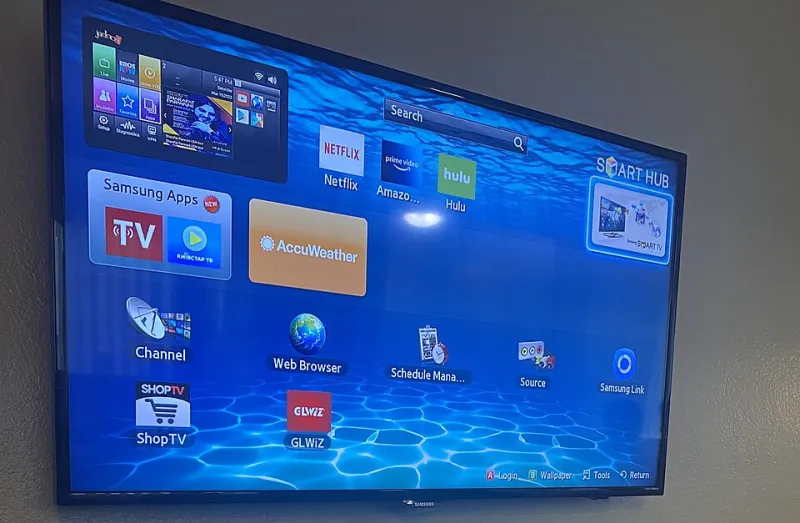
Viewers deserve to know what they are hearing. A small label, a line in the details page, a note in the audio menu — none of that is too much to ask. If a show has been synthetically dubbed, say so. If a human voice actor performed the role, credit them.
The next global hit may come from Seoul, Lagos, or Madrid. The voice in your living room is a choice. In 2026, that choice is being made faster than ever, and the industry owes viewers a clearer view of who is making it.