Give Me Twenty-Two: The Unlikely Comeback of the Full-Length TV Season
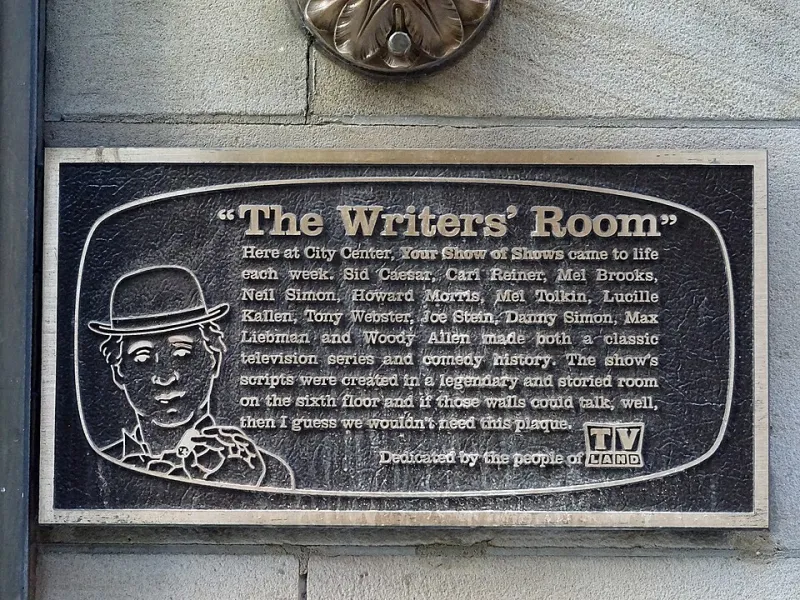
Photo: Spudgun67, CC BY-SA 4.0, via Wikimedia Commons
Streaming spent years telling us that less was more. Eight episodes, forty-five minutes each, a movie star on the poster, and a finale that could be spoilered in a group chat before dessert. It worked. It also left a lot of viewers staring at a home screen on a Tuesday wondering why a show they liked felt like homework.
Now the pendulum is swinging back. Not everywhere, and not for every genre, but buyers are once again talking about 18-to-22-episode orders. Broadcast-style runs are showing up in development slates alongside the six-part limited series. The long season is not nostalgia. It is arithmetic, habit, and a quiet admission that the short season solved one problem and created another.
The ad break math
The first force is inventory. An eight-episode drama is roughly six to eight hours of television. A 22-episode drama at 42 minutes is more than 15 hours. On an ad-supported tier, that difference is not a rounding error. It is more slots, more mid-rolls, more chances to sell toothpaste, insurance, and whatever else pays for the lights.
Streamers with ad tiers need volume that keeps people inside the app without requiring a new tentpole every month. A long-running show also has a longer tail. A 22-episode season can be split into weekly drops, midseason returns, and holiday breaks. It gives schedulers something broadcast has known for decades: a reason to come back next week.
Producers like the model because standing sets are expensive to build and cheap to keep. Cast options spread over more episodes. International sales get more hours to sell. A procedural with 20 episodes can live for years in syndication and on FAST channels. The math is less romantic than auteur television, but it is the math that keeps studios open.
The writers room gets a season, not a sprint
Short orders helped create the mini-room. Writers were hired for a few weeks, asked to break a season, then sent home before production. The practice became a labor issue and a creative one. A long order changes the rhythm. A room can stay together, learn the characters, and fix problems on the fly.
That does not automatically mean better television. More episodes can mean more filler, more story loops, and more episodes where the characters learn a lesson while standing in a hospital hallway. The 22-episode season has produced some of TV's best comfort food and some of its laziest hours. The difference is usually whether the showrunner has a plan beyond episode nine.
Still, for working writers, the difference between eight episodes and 22 is the difference between a gig and a career. It is more weeks, more scripts, more people in the room. If the long season returns, it will return partly because the industry needs sustainable jobs, not just because viewers miss the old rhythm.
Binge fatigue is real, but so is the weekly habit
The other force is viewer behavior. Peak TV made watching feel like a task. Every service has a list. Every list has an eight-hour commitment. Every commitment comes with a discourse cycle that starts on Friday and ends by Monday. A long season is not lighter, exactly. It is more spread out. It can become a routine again.
The weekly model also gives a show room to breathe. A season with 20 episodes can have a weird bottle episode, a holiday special, a guest star, a romantic detour. It can be uneven. Uneven is not always bad. Some of the most rewatchable shows in American TV history were gloriously uneven.
The risk is that producers use the long order as a license to pad. The solution is not shorter seasons or longer seasons. It is intention. A 22-episode order should mean the story earns the space, not that the story is stretched to fill it.
What the comeback actually looks like
Do not expect every prestige drama to become a 22-episode machine. Limited series will still be limited. Stars will still want short commitments. International co-productions will still favor eight. The long season is coming back where it fits: procedurals, family comedies, workplace shows, and the kind of weekly drama that used to anchor a network schedule.
The new version will not look exactly like 2006. It will probably be 18 episodes, or 20, or a split 22 with a winter break built into the rollout. It will stream first, but it will borrow broadcast's calendar. It will have ads, or a premium tier without them, or both. It will be sold as a throwback and delivered as a strategy.
For viewers, the appeal is simple. Not every show needs to be a limited series. Not every season needs to be a sprint. Sometimes you want a show that feels like a place you can return to, with characters who have time to waste and a season that lets them waste it. Give me twenty-two. I will bring the snack.